




Special Collections:
Life on Earth
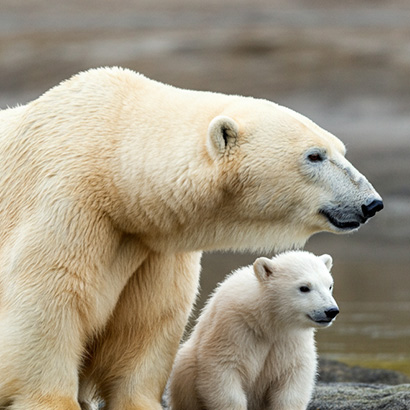

At a 2023 hearing, Rep. Ralph Norman cheered bat extinction, despite over 6 million northern long-eared bats dying since 2006 from white-nose syndrome. This epidemic, the worst wildlife disease outbreak in North American history, currently has no cure.
The Center for Biological Diversity, a Tucson-based 501c3 nonprofit, believes human welfare is deeply linked to nature's vast diversity. We work through science, law, and creative media to protect species on the brink of extinction, ensuring a future where the wild thrives.
For more information, action opportunities, and social media links, visit our website: biologicaldiversity.org. You can also email us at center@biologicaldiversity.org.

Colorado Parks and Wildlife released five GPS-collared gray wolves (three males, two females) from Oregon into Grand County on December 18, 2023. This historic effort aims to reestablish a healthy wolf population, fulfilling a 2020 voter mandate.
Under a finalized restoration plan, the agency will release up to 10 more wolves by mid-March 2024 and 30-50 over the next three to five years. The Center for Biological Diversity, a nonprofit, advocates for the protection of all species and their habitats through science and law.
For more information or to take action, visit their website: biologicaldiversity.org or email: center@biologicaldiversity.org.

The Center for Biological Diversity challenged the Federal Highway Administration over Interstate 11, citing its threat to endangered species like the cactus ferruginous pygmy owl. These tiny, fierce owls, weighing just 70 grams, are vital to the Sonoran Desert. Watch a video about them: Endangered Earth Online 1,224.
As a Tucson-based 501c3 nonprofit, the Center protects diverse wild animals and plants. We use science, law, and creative media to secure a future for all species, focusing on the lands, waters, and climate they need to survive. Learn more and take action at biologicaldiversity.org.

De Winton's golden mole, an iridescent, sand-swimming creature, has been rediscovered in South Africa after being presumed lost since 1937. Threatened by diamond and mineral mining, these elusive moles were confirmed through environmental DNA analysis and the help of a specialized mole-sniffing border collie.
The Center for Biological Diversity, a nonprofit dedicated to protecting all species and their habitats, supports such vital conservation efforts. Read an interview with a rediscovery scientist and watch a video about the moles. For more information on the Center's work, visit their website.

Humpback whales engage in "kelping," a global phenomenon where they roll in seaweed. This behavior is thought to be both play and a form of skincare, potentially removing parasites and bacteria to improve health. A recent study, partly based on social media observations, documented kelping across populations from the North Atlantic to Australia. This fascinating behavior was featured in Endangered Earth Online (Nov. 16, 2032).
The Center for Biological Diversity is a 501c3 nonprofit dedicated to securing a future for all species by protecting lands, waters, and climate. Learn more and take action at biologicaldiversity.org.

The Center for Biological Diversity exposed rampant wildlife trafficking in Mexico, where thousands of animals are illegally sold as pets. Urge Mexican authorities to stop this trade and protect biodiversity. Take action and share our video: act.biologicaldiversity.org/RgV8T-J6N0Ck6MgGIw3GiA2
The Center, a nonprofit, protects species and habitats through science, law, and media, believing human welfare is linked to nature's diversity. Read our full report on Mexico wildlife trafficking: biologicaldiversity.org/campaigns/Mexico-wildlife-trafficking/. Learn more and connect via our website and social media: biologicaldiversity.org. For media inquiries, email center@biologicaldiversity.org.

Fossil fuel pollution is devastating life on Earth, driving climate disasters and species extinction. In September, the Center for Biological Diversity mobilized 75,000 people for the March to End Fossil Fuels, demanding President Biden phase out fossil fuels. Watch our video and take action: act.biologicaldiversity.org/vjo5u3HvQ0-qJwiNsm7PHA2
The Center for Biological Diversity is a 501c3 nonprofit committed to securing a future for all species by protecting vital lands, waters, and climate through science, law, and creative media. Learn more at our website: biologicaldiversity.org. Follow us on Twitter, Facebook, Instagram, and TikTok. For inquiries, email center@biologicaldiversity.org.

Horseshoe crabs, ancient creatures vital for endangered migratory shorebirds, faced mass killing for bait. Thanks to 34,000 public comments, an agency decided to spare female crabs in 2024, though future harvests remain a concern. Read more: [Female Horseshoe Crabs Spared](https://biologicaldiversity.org/w/news/press-releases/female-horseshoe-crabs-spared-for-another-year-in-delaware-bay-2023-10-19/).
The Center for Biological Diversity is a 501c3 nonprofit. We believe human welfare is deeply linked to nature's diversity, working through science, law, and creative media to protect species and their habitats from extinction. Our goal is a wild world for future generations.
For more information, visit our [website](https://www.biologicaldiversity.org/), or connect via [Twitter](https://twitter.com/CenterForBioDiv), [Facebook](https://www.facebook.com/CenterforBioDiv/), [Instagram](https://www.instagram.com/centerforbiodiversity/), [TikTok](https://www.tiktok.com/@centerforbiodiv), or [Take Action](https://www.biologicaldiversity.org/action/). Email us at center@biologicaldiversity.org.

Explore a video of "creepy-cute critters," based on a Medium article by the Center's Cybele Knowles. Featured in our Endangered Earth newsletter (Oct. 19, 2023), this content highlights the Center for Biological Diversity's mission. As a Tucson-based 501c3 nonprofit, we secure a future for all species by protecting essential lands, waters, and climate, believing human welfare is tied to nature's diversity.
We work through science, law, and media to ensure a wild world for generations to come. Visit our website or take action. Find us on Twitter, Facebook, Instagram, and TikTok. Email center@biologicaldiversity.org for inquiries.

A new study reveals that snow flies amputate their own limbs to survive extreme cold. Scientists previously knew little about these flightless insects, which inhabit frigid, hard-to-reach alpine areas.
Now, it's understood that if a leg freezes, these remarkable insects can remove it to prevent ice crystals from reaching their bodies and freezing vital organs. They then continue walking, demonstrating a unique survival mechanism.
This discovery was featured in the Center's weekly newsletter, Endangered Earth Online, issue 1,208 (Aug. 31, 2023): Endangered Earth Online No. 1208.

Rare feather stars were filmed south of Johnston Atoll in the Central Pacific during a 2022 NOAA-funded expedition. Learn more about the expedition: https://nautiluslive.org/cruise/na141
This video, featured in the Endangered Earth Online newsletter, showcased new-to-science species, including the Antarctic strawberry feather star. These free-swimming crinoids, related to starfish and sea cucumbers, are named for their fruit-like body shape beneath 20 rhythmic arms. See pictures and read more: https://www.biologicaldiversity.org/publications/earthonline/endangered-earth-online-no1207.html
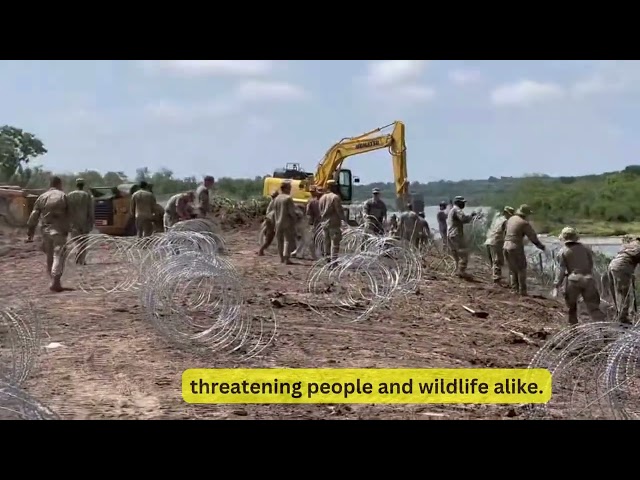
Texas Governor Greg Abbott has deployed a "lethal obstacle" in the Rio Grande, comprising saw blades and netting, designed to injure border crossers. This installation, highlighted by Laiken Jordahl of the Center for Biological Diversity, has already led to bodies being discovered in the river.
Jordahl condemns Abbott's initiative as a "death trap" for both people and wildlife, driven by "racist politics" and implemented for a "photo op." These actions have transformed the U.S.-Mexico border into a dangerous zone.
Read more: What Texas Should Learn From Arizona’s Border Failure

Glassy-winged sharpshooters, common crop pests, consume 300 times their body weight in xylem sap daily, making them frequent urinators. Biophysicist Saad Bhamla discovered these insects efficiently expel urine using an "anal stylus" (dubbed a "butt flicker") to catapult droplets at high speed, a phenomenon he calls "superpropulsion."
Learn more about this physics-powered urination: research.gatech.edu/super-fast-insect-urination-powered-physics-superpropulsion
This research was featured in Endangered Earth Online, No. 1,205 (Aug. 10, 2023): biologicaldiversity.org/publications/earthonline/endangered-earth-online-no1205.html

The Center has sued NOAA Fisheries to enforce actual protection for 20 endangered Caribbean and Indo-Pacific coral species, including pillar and lobed star corals. While NOAA officially protected these species under the Endangered Species Act in 2014 following a Center petition, it has since refused to implement regulations to counter major threats like collection and climate change, despite a 2020 petition for such measures.
The agency also declines to monitor trade in these species, even though the U.S. is the world’s largest importer of live corals. Center lawyer Emily Jeffers emphasized, "Protection for corals shouldn’t be in name only." Learn more: biodiv.us/3DKztQo
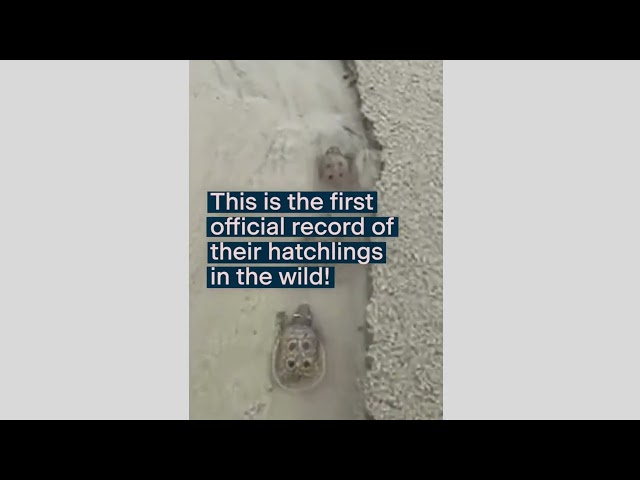
Fauna & Flora International (FFI) recently filmed 15 critically endangered Burmese peacock softshell turtles hatching in Myanmar—a possible first-ever video of their species. Named for the peacock-like spots on their shells, these once-abundant freshwater animals are now among the world's most endangered.
Volunteer "turtle guardians" with FFI protected the nest sites until the eggs hatched. After a brief study, the hatchlings were released into the wild. Watch the video and learn more: Business Insider | Endangered Earth Online. Video credit: © Nyein Chan and Yae Aung / fauna-flora.org.

A rare gulper eel, also known as a pelican eel, was filmed 6,900 feet deep off Costa Rica. Its body was massively distended from a recent meal.
This sighting occurred in the Dorado Outcrop, an area also home to recently discovered, rare octopus nurseries.
Watch captivating footage of the gulper eel and other deep-sea highlights from the Dorado expedition: https://www.youtube.com/watch?v=hhH42NS8ig4. Video by Schmidt Ocean Institute, featured in the Center for Biological Diversity's Endangered Earth Online 1201. Audio: Mothership via Canva.

Biologists may have observed the first instance of a frog pollinating a flower. Izecksohn's Brazilian tree frogs reportedly dunk into large flowers for nectar, then hop around, dispersing pollen. While they leave covered in pollen without damaging the flowers, further study is needed to confirm this unique behavior. Read more: Live Science.
The Center for Biological Diversity is a Tucson-based 501c3 nonprofit dedicated to protecting all species and their habitats. We believe human welfare is deeply linked to biodiversity and work to secure a future where wild nature thrives. Connect with us: Website, Twitter, Facebook, Instagram, TikTok, Take Action. For inquiries, email center@biologicaldiversity.org.

Sand cats, rare wild felines of the Sahara, are smaller than house cats yet travel vast distances. A new study reveals they may be the only nomadic felines moving with changing rainfall, hydrating solely from prey. Learn more at panthera.org or read the full article: Tiny Sand Cats, Huge Range.
The Center for Biological Diversity is a 501c3 nonprofit dedicated to securing a future for all species. We protect lands, waters, and climate through science, law, and media, believing human welfare is deeply linked to nature's diversity. Explore our work at biologicaldiversity.org.

Leafcutter bees are solitary, gentle pollinators that construct leaf-based egg chambers, provisioning them with nectar and pollen. A female may create up to 20 such cells, like the one seen in this footage of a bee emerging in the UK. Many species exist globally, including 63 in Florida. (Thanks to Emily Doorish: [Twitter](https://twitter.com/EDoorish), [Instagram](https://www.instagram.com/EmiliagoXD)).
Bees are also remarkably complex. Expert Stephen Buchmann notes they feel emotions, process long-term memories during sleep, and may even dream, raising ethical questions about their treatment. Learn more about bee intelligence: [here](https://biodiv.us/3n2sePr).
The Center for Biological Diversity, a 501c3 nonprofit, works to secure a future for all species by protecting the lands, waters, and climate they need. Discover more: [biologicaldiversity.org](https://www.biologicaldiversity.org/).

The Center for Biological Diversity is a Tucson-based 501c3 nonprofit. We believe human welfare is deeply linked to nature’s diversity of wild animals and plants. Our mission is to secure a future for all species on the brink of extinction, protecting their lands, waters, and climate through science, law, and creative media.
Explore related content: Dead Monster Manual, Book of Extinction, and Kieran’s interview on Making a Monster. Discover more about gopher tortoises, bumblebees, Atrazine, and leopards. Connect with us: Website, Twitter, Facebook, Instagram, TikTok. For questions, email center@biologicaldiversity.org.
Environmental Scientist and Advocate
What EarthSayers stands for
Discover Diverse Voices on EarthSayers
Unlike algorithm-driven platforms that push you into a content bubble, we ensure you hear a variety of perspectives from scientists, activists, Indigenous leaders, business innovators, and everyday citizens working toward sustainability.
EarthSayers CINEMA
Watch, learn and lead—sustainability starts with you.
The Thinking Game | Full documentary | Tribeca Film Festival official selection
“The Thinking Game” is the inside story of DeepMind's groundbreaking AI research, culminating in the Nobel Prize-winning AlphaFold breakthrough. Filmed over five years by the award-winning team behind "AlphaGo," this documentary explores co-founder Demis Hassabis's lifelong pursuit of artificial general intelligence and the rigorous scientific journey from mastering strategy games to solving the 50-year-old protein folding problem.
Following its world premiere at the Tribeca Festival, "The Thinking Game" is now available to watch for free. For those interested in hosting a screening for a classroom, community, or workplace, visit: rocofilms.com/films/the-thinking-game/.


