




Special Collections:
Food Security
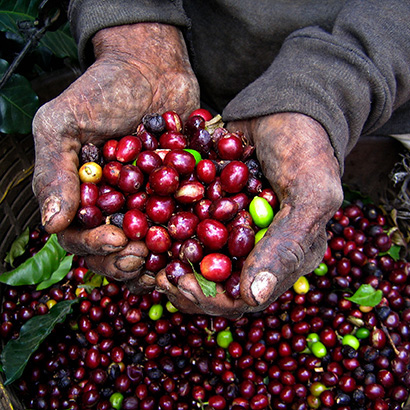
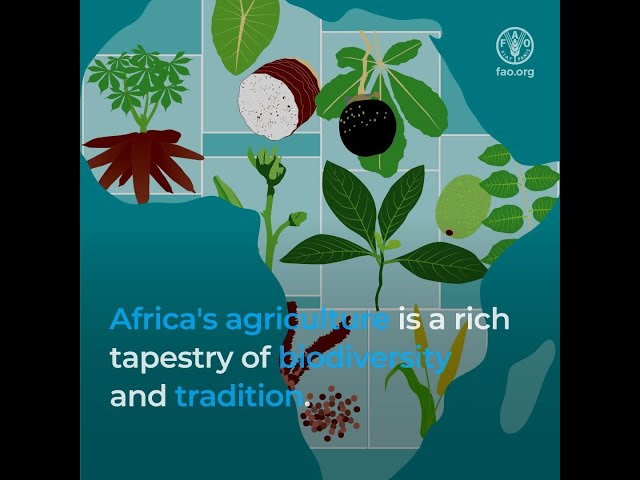
Fonio, teff, baobab fruit, pulses like bambara groundnut and other forgotten crops offer immense nutritional and environmental benefits. It's time to reclaim Africa's agricultural heritage and unlock its vast potential to transform the continent's agrifood systems. Learn more: https://bit.ly/3PRP6iF

The Strait of Hormuz has been effectively closed since 28 February. As of 13 April, vessels are still not moving in meaningful numbers. The last ships to leave before the blockade are now reaching their destinations, meaning the real supply gap is only beginning to materialise. Key messages: - Before the conflict began, the strait carried 30-35% of global crude oil, 20% of natural gas, and up to 30% of internationally traded fertilizers. - Food commodity prices have not risen yet because existing stocks are absorbing the shock. But if the strait traffic does not resume, the shocks to energy and fertilizer markets will translate into higher commodity and retail prices later in 2026 and into 2027. - The crop calendar is the key constraint. As planting seasons begin, farmers must choose between absorbing higher input costs or reducing fertilizer and other input use. They need targeted, timebound support, as do low-income countries relying on food and fertilizer imports. - The disruption is not contained to the Gulf or South Asia. It is moving from east to west and from south to north. Export restrictions by major producers risk compounding the supply shortfall. - With diplomatic solutions and the right policy, there is still time to contain the current situation and prevent it from turning into a global food crisis. 00:00 What is at stake: the scale of the closure 02:36 Why food prices have not risen yet 06:07 Is this a global problem or a regional one? 13:10 Export restrictions: the risk of a compounding crisis 17:15 Biofuels, El Niño and the perfect storm scenario 22:47 What governments should do now This episode was recorded on 11 April 2025. Host: Katrin Park Produced by: Eduardo De La Chica Copyright: FAO Subscribe! http://www.youtube.com/subscription_center?add_user=FAOoftheUN Follow FAO on social media! * Facebook - https://www.facebook.com/UNFAO * Instagram - https://instagram.com/fao * LinkedIn - https://www.linkedin.com/company/fao * TikTok - https://www.tiktok.com/@fao * Twitter - http://www.twitter.com/fao/ * Weibo - https://www.weibo.com/unfao © FAO: http://www.fao.org #SDGs #Agenda2030 #GlobalGoals

Le fonio, le teff, le fruit du baobab, les légumineuses comme l'arachide de bambara, ainsi que d'autres cultures oubliées offrent d'immenses avantages nutritionnels et environnementaux. Il est temps de valoriser le patrimoine agricole de l'Afrique et de libérer son immense potentiel pour transformer les systèmes agroalimentaires du continent. En savoir plus : https://www.fao.org/newsroom/story/savouring-heritage-through-forgotten-foods/fr

Standard Operating Procedures | Global Soil Partnership | Food and Agriculture Organization of the United Nations - https://www.fao.org/global-soil-partnership/glosolan-old/soil-analysis/standard-operating-procedures/en/ Este video presenta la metodología estandarizada de GLOSOLAN para la determinación de elementos traza y pseudototales en suelos, con énfasis en el análisis de cadmio. Grabado en las instalaciones de AGROSAVIA, muestra buenas prácticas desde el diseño de muestreo y el pretratamiento del suelo hasta la digestión ácida con agua regia y técnicas analíticas avanzadas como ICP-OES e ICP-MS. El video resalta la importancia de procedimientos armonizados, controles de calidad y protocolos de seguridad en el manejo de reactivos peligrosos. Estos métodos garantizan datos confiables y comparables, apoyando la gestión sostenible del suelo, la toma de decisiones informadas y la seguridad alimentaria. Subscribe! http://www.youtube.com/subscription_center?add_user=FAOoftheUN Follow FAO on social media! * Facebook - https://www.facebook.com/UNFAO * Instagram - https://instagram.com/fao * LinkedIn - https://www.linkedin.com/company/fao * TikTok - https://www.tiktok.com/@fao * Twitter - http://www.twitter.com/fao/ * Weibo - https://www.weibo.com/unfao © FAO: http://www.fao.org #SDGs #Agenda2030 #GlobalGoals

Volume 2.7 | Global Soil Partnership | Food and Agriculture Organization of the United Nations - https://www.fao.org/global-soil-partnership/glosolan-old/soil-analysis/sops/volume-27/en/ Este video presenta el método estandarizado de GLOSOLAN para la determinación de micronutrientes y metales pesados en suelos mediante extracción con DTPA. Con el apoyo de AGROSAVIA, se muestran las etapas clave desde el muestreo representativo y el pretratamiento de las muestras hasta el análisis instrumental mediante técnicas como FAAS, ETAAS e ICP-OES. Se destaca la importancia de micronutrientes esenciales como Cu, Fe, Mn y Zn para el desarrollo vegetal, así como los riesgos asociados a metales potencialmente tóxicos como Cd, Pb y Ni. El video resalta la relevancia de aplicar protocolos armonizados, controles de calidad y monitoreo constante para garantizar resultados confiables, apoyar la gestión sostenible del suelo, proteger la salud humana y contribuir a la seguridad alimentaria. Subscribe! http://www.youtube.com/subscription_center?add_user=FAOoftheUN Follow FAO on social media! * Facebook - https://www.facebook.com/UNFAO * Instagram - https://instagram.com/fao * LinkedIn - https://www.linkedin.com/company/fao * TikTok - https://www.tiktok.com/@fao * Twitter - http://www.twitter.com/fao/ * Weibo - https://www.weibo.com/unfao © FAO: http://www.fao.org #SDGs #Agenda2030 #GlobalGoals
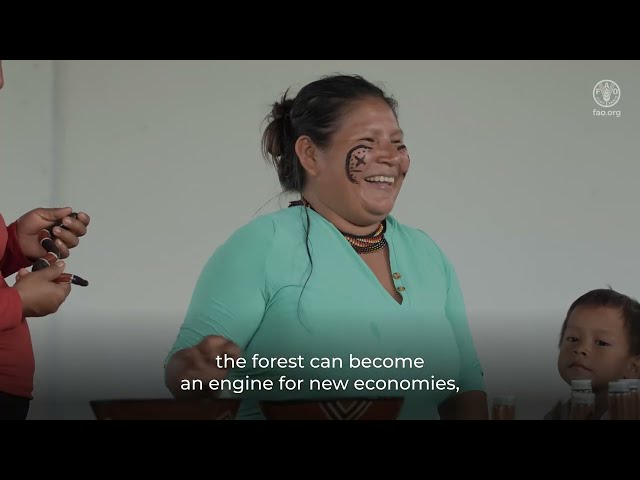
In the Ecuadorian Amazon, the Achuar indigenous community of Kupatas demonstrates how conservation and economic development can go hand-in-hand. Through responsible forest use, they improve livelihoods and create opportunities. As part of Forest and Farm Producer Organizations (FFPOs), and with support from FAO's Forest and Farm Facility (FFF), Kupatas strengthens the Amazonian bioeconomy, promotes gender equality, and fosters sustainable livelihoods in indigenous territories.
Subscribe to FAO's YouTube channel: http://www.youtube.com/subscription_center?add_user=FAOoftheUN. Follow FAO on social media: Facebook, Instagram, LinkedIn, TikTok, Twitter, and Weibo. Learn more at www.fao.org. #SDGs #Agenda2030 #GlobalGoals
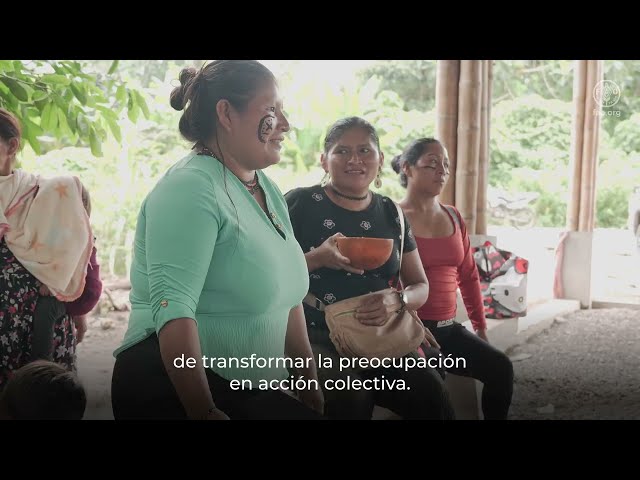
In the Ecuadorian Amazon, the Achuar indigenous community of Kupatas demonstrates how conservation and economic development can coexist. They responsibly utilize forest resources, generating opportunities and improving livelihoods.
As part of Forest and Farm Producer Organizations (OPFA), and with support from FAO's Forest and Farm Facility (FFF), the community strengthens the Amazonian bioeconomy, promotes gender equality, and fosters sustainable livelihoods in indigenous territories.
Subscribe! FAO YouTube. Follow FAO on social media: Facebook, Instagram, LinkedIn, TikTok, Twitter, Weibo. © FAO: fao.org #SDGs #Agenda2030 #GlobalGoals

FAO, with support from Italy and Mozambique, helps Manica Province farmers combat climate change, soil degradation, and low productivity. The PRODAI project establishes multi-strata agroforestry, combining native wood, fruit trees, and biomass crops. This restores soil, reduces erosion, diversifies livelihoods, and captures carbon. Fifteen nurseries have produced over 250,000 seedlings, involving 3,000+ farmers. Linking producers to voluntary carbon markets (Acorn, Plan Vivo) creates new income and strengthens resilience. The goal: 1 million seedlings, 3,000 hectares restored, fostering a sustainable future.
Subscribe to FAO on YouTube and follow on social media: Facebook, Instagram, LinkedIn, TikTok, Twitter, Weibo. © FAO: fao.org #SDGs #Agenda2030 #GlobalGoals
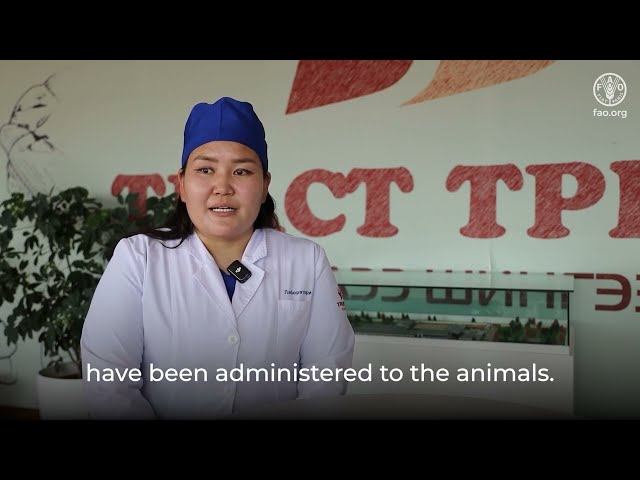
Farm inspectors are crucial for food safety throughout the supply chain. In Mongolia, Suvdmaa Khaidav, Head of the Veterinary Division at a slaughterhouse, emphasizes thorough farm-level inspection to ensure products arrive free of antimicrobial residues.
Subscribe to FAO on YouTube. Follow FAO on social media: Facebook, Instagram, LinkedIn, TikTok, Twitter, and Weibo.
© FAO: fao.org. #SDGs #Agenda2030 #GlobalGoals

Sueleen Peña, manager of the Patiño ranch in Bolivia, provides excellent advice for dairy producers on preventing and containing foodborne Antimicrobial Resistance (AMR).
Stay informed by subscribing to FAO's YouTube channel and following FAO on social media: Facebook, Instagram, LinkedIn, TikTok, Twitter, and Weibo. For more information, visit FAO's website. © FAO. #SDGs #Agenda2030 #GlobalGoals

Birendra Chaudhary, a successful aquaculture farmer in Bara, Nepal, shares his experiences and advice for fellow fish farmers in this video. Subscribe to FAO's YouTube channel: http://www.youtube.com/subscription_center?add_user=FAOoftheUN
Follow FAO on social media: https://www.facebook.com/UNFAO | https://instagram.com/fao | https://www.linkedin.com/company/fao | https://www.tiktok.com/@fao | http://www.twitter.com/fao/ | https://www.weibo.com/unfao. © FAO: http://www.fao.org #SDGs #Agenda2030 #GlobalGoals
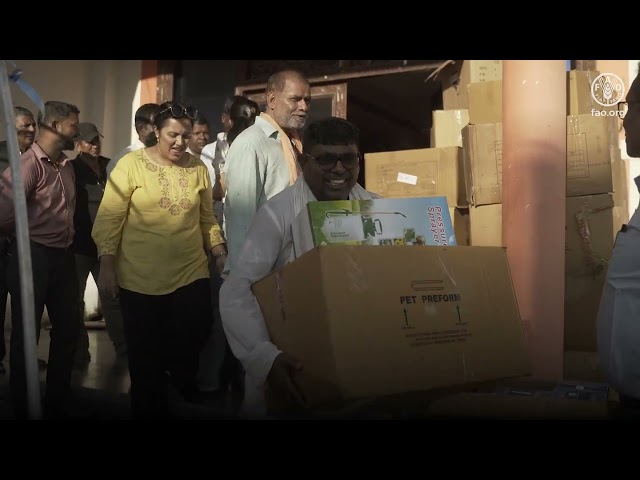
Aquaculture farmer Shiva Hari Acharya, with over 40 years of experience, learned a crucial lesson: avoid the overuse of antimicrobials, despite peer encouragement.
Stay connected with FAO: Subscribe to our YouTube channel. Follow us on Facebook, Instagram, LinkedIn, TikTok, Twitter, and Weibo. Visit our website at fao.org. © FAO. #SDGs #Agenda2030 #GlobalGoals

Prakesh Shrestha, a young Nepalese entrepreneur, discusses the changes he implemented after receiving training on Antimicrobial Resistance (AMR).
Stay updated by subscribing to FAO's YouTube channel and following them on social media: Facebook, Instagram, LinkedIn, TikTok, Twitter, and Weibo.
© FAO. For more information, visit fao.org. #SDGs #Agenda2030 #GlobalGoals

Juan Daniel Morando oversees food safety protocols at Sofía's chicken processing plant in Santa Cruz, Bolivia. The plant adheres to strict international standards, preventing AMR-contaminated chicken and cross-contamination.
Subscribe to FAO's YouTube channel. Follow FAO on social media: Facebook, Instagram, LinkedIn, TikTok, Twitter, and Weibo.
© FAO. #SDGs #Agenda2030 #GlobalGoals

Veterinarian Badrakhzul Chimeddavaa provides essential guidance to herders and farmers on the appropriate use of veterinary medicines, promoting responsible livestock management.
Stay informed and connected! Subscribe to FAO's YouTube channel: FAO on YouTube. Follow us on social media: Facebook, Instagram, LinkedIn, TikTok, Twitter, and Weibo.
© FAO: fao.org #SDGs #Agenda2030 #GlobalGoals

Nepal was one of six countries to benefit from the FAO-implemented, Republic of Korea-funded Action to support implementation of Codex AMR texts (ACT) project. ACT significantly improved governance, surveillance, and awareness of antimicrobial resistance (AMR). Listen to comments about the project from Sanjeev Kumar Karn, Director-General of Nepal’s Department of Food Technology and Quality Control (DFTQC).
Stay connected with FAO: Subscribe on YouTube, and follow us on Facebook, Instagram, LinkedIn, TikTok, Twitter, and Weibo.
© FAO: fao.org #SDGs #Agenda2030 #GlobalGoals

Dr. Tum Sothyra, Director of Cambodia's National Animal Health and Production Research Institute (NAHPRI), stresses the critical role of well-trained veterinary service providers, including technicians for sampling and monitoring, in containing Antimicrobial Resistance (AMR).
Stay connected with FAO. Subscribe on YouTube and follow us on Facebook, Instagram, LinkedIn, TikTok, Twitter, and Weibo. © FAO: fao.org. #SDGs #Agenda2030 #GlobalGoals

Africa's ministers of agriculture and related portfolios are convening in Mauritania for the 34th FAO Regional Conference for Africa (#ARC34). Delegates will shape solutions and drive action for the continent's agrifood systems.
Subscribe to FAO's YouTube channel here. Follow FAO on social media: Facebook, Instagram, LinkedIn, TikTok, Twitter, Weibo. Visit fao.org for more. #SDGs #Agenda2030 #GlobalGoals


The 34th FAO Regional Conference for Africa (ARC34) will take place in Nouakchott, Mauritania, from April 13-17, 2026. Hosted by the Islamic Republic of Mauritania, ARC34 will bring together African government ministers to discuss key issues in agrifood systems transformation. The conference theme is "Sustaining agrifood systems transformation in Africa: innovate. partnerships. invest."
Stay connected with FAO! Subscribe to our YouTube channel and follow us on social media: Facebook, Instagram, LinkedIn, TikTok, Twitter, and Weibo.
© FAO. For more information, visit www.fao.org. #SDGs #Agenda2030 #GlobalGoals
Environmental Scientist and Advocate
What EarthSayers stands for
Discover Diverse Voices on EarthSayers
Unlike algorithm-driven platforms that push you into a content bubble, we ensure you hear a variety of perspectives from scientists, activists, Indigenous leaders, business innovators, and everyday citizens working toward sustainability.
EarthSayers CINEMA
Watch, learn and lead—sustainability starts with you.
The Thinking Game | Full documentary | Tribeca Film Festival official selection
“The Thinking Game” is the inside story of DeepMind's groundbreaking AI research, culminating in the Nobel Prize-winning AlphaFold breakthrough. Filmed over five years by the award-winning team behind "AlphaGo," this documentary explores co-founder Demis Hassabis's lifelong pursuit of artificial general intelligence and the rigorous scientific journey from mastering strategy games to solving the 50-year-old protein folding problem.
Following its world premiere at the Tribeca Festival, "The Thinking Game" is now available to watch for free. For those interested in hosting a screening for a classroom, community, or workplace, visit: rocofilms.com/films/the-thinking-game/.


