




Special Collections:
Forests and Oceans

Pacific purple sea urchins are easily identified by their distinctive color. Covered in pincers, tube feet, and purple spines, they use these ball-and-socket jointed spines for feeding and protection. Discover more in our Marine Life Encyclopedia: http://bit.ly/314vM48
Subscribe to our channel for more marine life content. Stay connected with us on social media: Instagram, Twitter, and Facebook.

Sea turtles frequently mistake plastic bags for jellyfish, and ingesting them is often fatal. This plastic pollution poses a deadly threat to marine life.
To protect these creatures, we must #BreakFreeFromPlastic by significantly reducing plastic production. It's time for collective action.
Support Oceana's efforts and take the pledge here: https://bit.ly/2m4aMKe

Parrotfish species produce a mucus cocoon for protection against parasites while they sleep. This defensive barrier can take up to an hour to create for a single night's rest.
To learn more about parrotfish, explore Oceana's Marine Life encyclopedia: Oceana Marine Life Encyclopedia.

North Atlantic right whales, decimated by whaling until 1935, now face extinction. Only about 400 remain, with fewer than 100 breeding females, primarily threatened by commercial shipping and fishing.
To reverse this decline, these whales require protection from fishing gear entanglements and ship strikes. Key solutions include reducing vertical fishing lines and mandating slower ship speeds.
Music by Adam Lindquist: http://adamlindquist.com/

North Atlantic right whales, once decimated by whaling, now face extinction with only about 400 remaining, including fewer than 100 breeding females. Commercial shipping and fishing pose the primary threats.
To reverse this decline, urgent protection from fishing gear entanglements and ship strikes is essential. Reducing vertical lines from fishing gear and mandating slower ship speeds are critical steps.
Music by Adam Lindquist: http://adamlindquist.com/

North Atlantic right whale populations first crashed due to whaling, banned in 1935. Now, the species faces extinction, primarily from commercial shipping and fishing threats.
With only about 400 whales remaining, including fewer than 100 breeding females, urgent protection is vital. Reducing vertical fishing lines and requiring ships to slow down are crucial steps to prevent entanglements and ship strikes, helping to reverse their decline.

Climate change is making our oceans more acidic, threatening most marine animals. Conversely, jellyfish thrive in warmer waters, posing a risk of ocean takeover if climate change remains unchecked.
Help protect our oceans. Join Oceana: https://bit.ly/2kA7bTV

Nudibranchs, a type of sea slug, are renowned for their vibrant colors, which they acquire from their diet.
Discover more about these fascinating creatures in Oceana's Marine Life Encyclopedia.

Sea stars are not always docile. The sunflower sea star, the ocean's fastest and largest, is a formidable predator, capable of eating almost anything in its path.
Join Oceana to help protect incredible animals like the sunflower sea star. Learn more here: https://bit.ly/2lEjmPU

California sea lions swim at top speeds of 25 miles per hour, making them the fastest among all seals and sea lions.
For more fascinating facts about these marine mammals, explore Oceana's Marine Life Encyclopedia: Oceana's Marine Life Encyclopedia.

Coral reefs are among the planet's most diverse ecosystems, akin to rainforests. Despite covering less than 1% of the seafloor, they sustain over 25% of all marine life.
However, these vital ecosystems are severely threatened, particularly by plastic pollution. Join Oceana to help protect them: #BreakFreeFromPlastic.

Three Southern Resident orcas are presumed dead, further diminishing their critically endangered population. Only 73 individuals now remain in this struggling pod.
Oceana is dedicated to protecting these starving orcas. Join us to support their survival efforts.
Learn more and get involved: https://bit.ly/2kyNITF

Elephant seals undergo a rapid "catastrophic molt," shedding their entire coat quickly. This unique event highlights their vulnerability and the need for ongoing protection.
These molting seals, and all marine mammals, require our support. It's crucial to safeguard them from legislative changes that could weaken existing protections.
Contact Congress today. Tell them to #DefendMarineMammals and oppose any modifications to the Marine Mammal Protection Act. Take action here: https://bit.ly/2NtJ8Ch

Despite its small size (8-10 inches), the blue-ringed octopus is one of the planet's most venomous animals. Its bright blue rings serve as a clear warning to potential predators.
Learn more in Oceana's Marine Life Encyclopedia.

Manta rays perform graceful barrel rolls when they find a hot spot for food.
Learn more about these majestic animals in Oceana's Marine Life Encyclopedia: Oceana Marine Life Encyclopedia.

Pufferfish, recognized for their endearing smiles, conceal a deadly secret: tetrodotoxin. This potent neurotoxin makes them one of the ocean's most dangerous creatures.
Discover more about pufferfish and a wide array of other fascinating marine life in Oceana's comprehensive Marine Life Encyclopedia.

The Portuguese man o' war is not a jellyfish. Instead, it's a siphonophore, a colony of tiny animals functioning as a single organism.
Discover more about these unique marine animals in Oceana's Marine Life Encyclopedia: https://bit.ly/2HfVI44
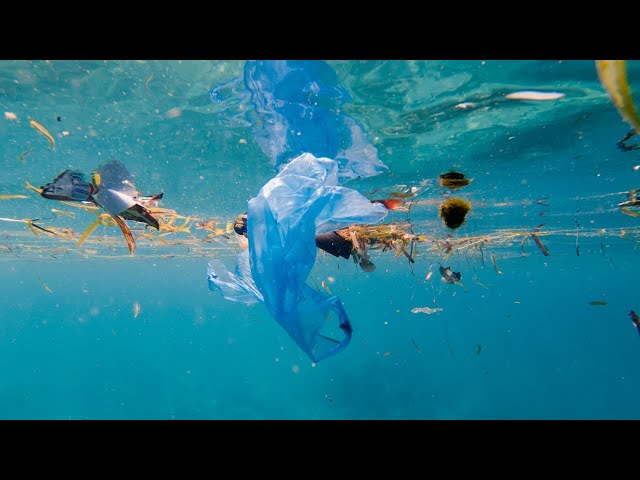
Bioplastics are often marketed as an eco-friendly alternative to traditional plastics. However, this "green" image can be misleading. Many bioplastics are not compostable and cause similar environmental harm, particularly in oceans, as their petroleum-based counterparts.
It's crucial to recognize that not all bioplastics offer a sustainable solution. To truly combat plastic pollution, we must move beyond all forms of plastic.
Join the #BreakFreeFromPlastic challenge here: https://bit.ly/2z3DPkh.

Leatherback turtles, ancient creatures dating back to the age of dinosaurs, are now critically endangered.
A significant new threat comes from plastic pollution. These plastics often resemble jellyfish, the turtles' primary food source, leading to accidental ingestion and severe harm.
Help protect leatherbacks. Take the pledge to #BreakFreeFromPlastic: https://bit.ly/2MgW2Uj

Cigarette filters, often called the "last acceptable form of littering," are a major source of plastic pollution. Made from cellulose acetate, these filters release plastic, nicotine, heavy metals, and other toxic chemicals into waterways and oceans, posing a significant threat to our health and the planet.
National Geographic explores this critical issue and potential solutions. Learn more about this widespread plastic pollution by subscribing to National Geographic or reading "Cigarette butts are toxic plastic pollution. Should they be banned?" here.
Environmental Scientist and Advocate
What EarthSayers stands for
Discover Diverse Voices on EarthSayers
Unlike algorithm-driven platforms that push you into a content bubble, we ensure you hear a variety of perspectives from scientists, activists, Indigenous leaders, business innovators, and everyday citizens working toward sustainability.
EarthSayers CINEMA
Watch, learn and lead—sustainability starts with you.
The Thinking Game | Full documentary | Tribeca Film Festival official selection
“The Thinking Game” is the inside story of DeepMind's groundbreaking AI research, culminating in the Nobel Prize-winning AlphaFold breakthrough. Filmed over five years by the award-winning team behind "AlphaGo," this documentary explores co-founder Demis Hassabis's lifelong pursuit of artificial general intelligence and the rigorous scientific journey from mastering strategy games to solving the 50-year-old protein folding problem.
Following its world premiere at the Tribeca Festival, "The Thinking Game" is now available to watch for free. For those interested in hosting a screening for a classroom, community, or workplace, visit: rocofilms.com/films/the-thinking-game/.


